
Sometimes, we don’t help ourselves.
Women (diagnosed and undiagnosed) with ADHD are also spreading misinformation online.
Chapter 01Hold your fucking horses love
I’ve seen it time and time again but for some reason, the following comment in particular awoke something in me that I had to write about.
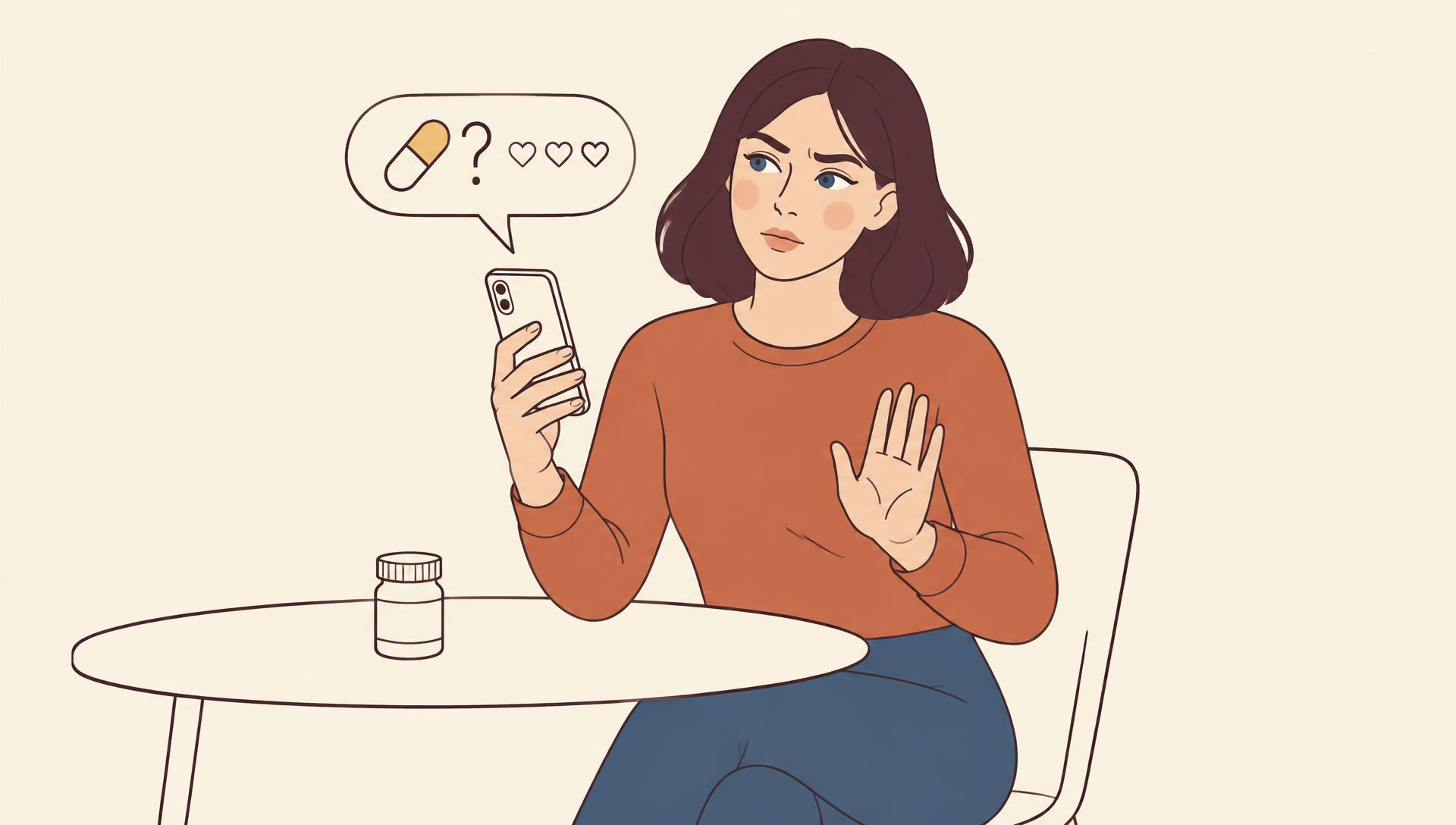
In a separate ADHD group I saw a post from a woman who was allowing the news and scaremongering media to question her own diagnosis. And I mean, I get it, who hasn’t to some extent?! But she’s even going to the lengths of getting a private assessment of her original assessment because of it and noted that she takes Elvanse, which makes her feel more hyper instead of calm…
The scariest part though, was what another woman commented:
“So the big tell for me is that Elvanse makes you calmer...if you weren't ADHD, it would make you hyper. Thats the moment that confirmed it for me” 🤯
Hold your fucking horses love… What?!
That singular comment (which had the highest amount of likes against it as well) highlights one of the most persistent myths in the online neurodivergent community. The idea that stimulant medication like Elvanse has a completely opposite effect on neurotypical brains compared to ADHD brains still circulates constantly on social media as a “foolproof diagnostic test.” Which is actually nuts and just COMPLETELY incorrect 🌰 🥜
Chapter 02If only it were that simple
And I know, it’s not difficult to see why this myth is so easy to believe, which is also quite scary. When you spend years feeling like shit, struggling with daily life, and fighting for a diagnosis, coming across a comment like this, a simple rule that validates your experience feels like a relief. If a pill calms your racing thoughts, it feels like tangible proof that your brain is completely squirrelled and you definitely have ADHD.
If only it were that simple…
Medicine, unfortunately, doesn't work that way. Stimulants like lisdexamfetamine (Elvanse) and methylphenidate affect dopamine and noradrenaline signalling in the central nervous system. Those effects aren't exclusive to people with ADHD. Research in people without ADHD has found changes in alertness, attention and mood too, as well as increased heart rate, blood pressure and feelings of stimulation. The effects vary, and feeling calmer or more hyper isn't a reliable way to tell which brain you've got.
There isn't a neat calm-versus-hyper dividing line. Dose, individual response and side effects matter. Feeling jittery or agitated can happen while taking Elvanse, including when you've got ADHD. NICE bases diagnosis on a full clinical assessment, your history and the impact of symptoms across your life, not whether a capsule makes you feel a particular way.
Chapter 03Well, I just saw this online…
But when a myth is framed as a definitive test, it creates a dangerous game of “Well, I just saw this online…” and people start second-guessing their medical diagnoses because their physical reaction to a medication doesn't match a TikTok video they watched or a Facebook comment detailing experience with the same medication from a random woman with a completely different body and brain chemistry.
This then creates a vicious and evidently “contagious” cycle of self-doubt, especially when mainstream media outlets publish sensationalist pieces questioning the validity of adult diagnoses. And women, who are already often diagnosed later in life and frequently face medical scepticism, can be especially vulnerable to this kind of misinformation.
Chapter 04A safe space shouldn't feed the self-doubt
When peer support groups, which should be a safe space, begin propagating medical myths, it deepens the imposter syndrome that so many late-diagnosed adults already carry and that’s just not OK. Obviously, I can’t censor the general public but I do so much just wish that people would do some research before word vomiting all over the internet.
In summary, oversimplified rules about how medication affects different brains do more harm than good. And relying on medical myths for validation only feeds the exact self-doubt that external scepticism tries to create.